
Best Practices for Applying Sealants in Industrial Settings
Applying sealants in industrial settings requires a thorough understanding of the specific application, substrate compatibility, and environmental conditions. Key factors include selecting the right type of sealant, preparing the surface, and following precise application techniques to ensure long-term performance and reliability.
Key Takeaways
- Proper surface preparation is critical for effective sealant application.
- Understanding the chemical and physical properties of sealants is essential for selecting the right product.
- Environmental conditions, such as temperature and humidity, significantly impact sealant performance.
- Application techniques, including dispensing and curing, must be carefully controlled.
- Regular inspection and maintenance are necessary to ensure the longevity of the sealant.
Introduction
In industrial applications, sealants play a crucial role in ensuring the integrity and performance of various assemblies. Whether in electronic packaging, automotive lightweighting, or mechanical assembly, the correct application of sealants is vital. This article will provide an in-depth analysis of the best practices for applying sealants, focusing on the technical aspects and practical considerations that R&D engineers and procurement decision-makers should be aware of.
Understanding the Chemistry of Sealants
Sealants are typically categorized based on their chemical composition, which includes epoxy, cyanoacrylate, anaerobic, acrylic, and silicone systems. Each type has distinct properties that make it suitable for specific applications:
- Epoxy Sealants: Known for their high strength and excellent chemical resistance, epoxy sealants are often used in structural bonding and sealing applications. They offer good adhesion to a wide range of substrates, including metals, plastics, and composites.
- Cyanoacrylate Adhesives (Instant Adhesives): These fast-curing adhesives are ideal for quick repairs and small-scale applications. They provide strong bonds but may not be suitable for high-temperature or high-stress environments.
- Anaerobic Adhesives (Threadlockers and Retaining Compounds): Anaerobic adhesives cure in the absence of air, making them perfect for securing threaded fasteners and retaining cylindrical parts. They prevent loosening due to vibration and provide a reliable seal.
- Acrylic Adhesives (Two-Part AB Adhesives): Acrylics offer a combination of high strength and flexibility, making them suitable for bonding dissimilar materials. They are often used in applications requiring rapid curing and high bond strength.
- Silicone Sealants: Silicone sealants are known for their excellent flexibility and resistance to temperature and weather. They are widely used in applications where movement and exposure to harsh conditions are expected, such as in outdoor or high-temperature environments.
Surface Preparation
Proper surface preparation is a critical step in ensuring the effectiveness of sealants. The following steps are generally recommended:
- Cleaning: Remove all contaminants, including oil, grease, and dust, from the substrate. Use solvents or degreasers to clean the surface thoroughly.
- Abrasion: Lightly abrade the surface to increase the bond area and improve adhesion. Sanding or grit blasting can be effective, depending on the material.
- Priming: In some cases, a primer may be necessary to enhance adhesion, especially on difficult-to-bond substrates like polyethylene or polypropylene.
Application Techniques
The application technique for sealants depends on the specific product and the intended use. Here are some general guidelines:
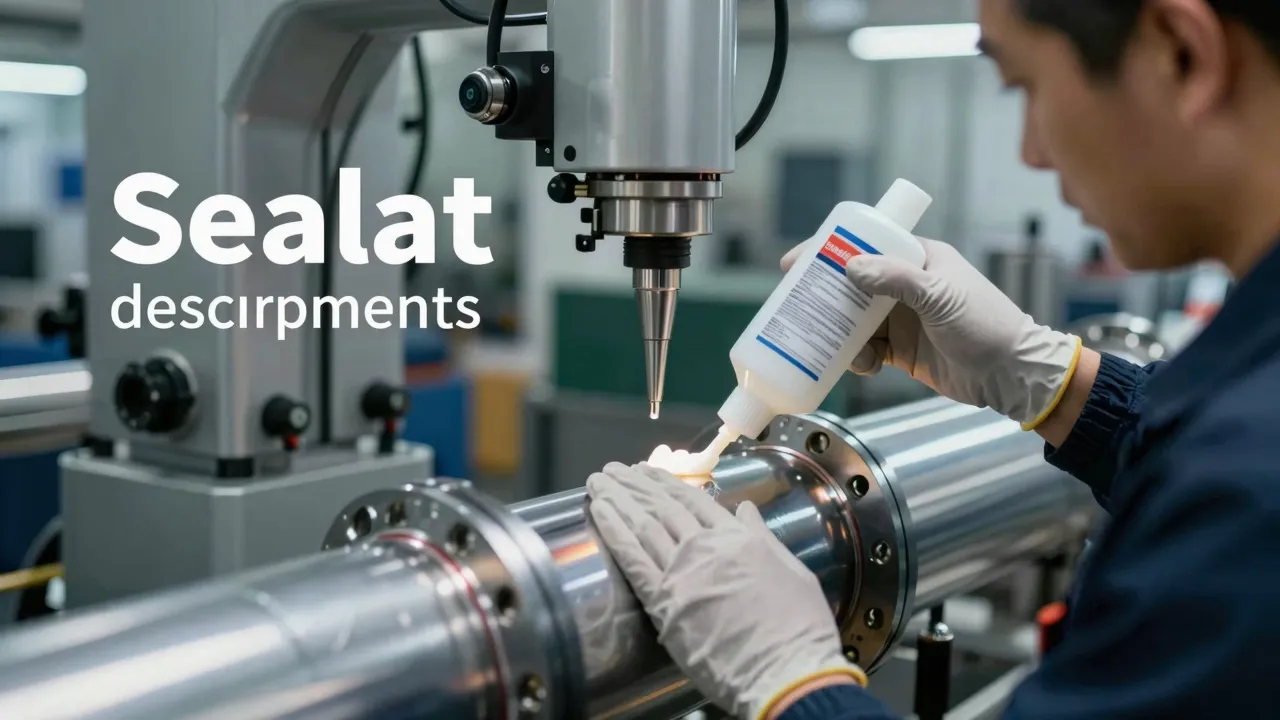
- Dispensing: Use the appropriate dispensing equipment, such as syringes, guns, or automated systems, to apply the sealant. Ensure consistent bead size and placement.
- Tooling: For some applications, tooling the sealant with a spatula or brush can help achieve the desired shape and thickness. This is particularly important in gasketing and potting applications.
- Curing: Follow the manufacturer's recommendations for curing conditions, including time, temperature, and humidity. Some sealants require UV light or heat to cure, while others may cure at room temperature.
Environmental Considerations
Environmental factors, such as temperature, humidity, and exposure to chemicals, can significantly affect the performance of sealants. It is essential to select a sealant that is compatible with the operating environment. For example, in high-temperature applications, a silicone sealant may be more suitable than an epoxy sealant. Similarly, in humid environments, a moisture-cured sealant may be preferred.
Maintenance and Inspection
Regular inspection and maintenance are necessary to ensure the longevity and performance of sealants. Look for signs of degradation, such as cracking, peeling, or loss of adhesion. If any issues are detected, the sealant should be repaired or replaced promptly. Regular maintenance can also include cleaning and reapplying sealant as needed.
Conclusion
Applying sealants in industrial settings requires a comprehensive understanding of the application, substrate, and environmental conditions. By following best practices for surface preparation, application, and maintenance, R&D engineers and procurement decision-makers can ensure the optimal performance and durability of their products. GUBAILI offers a range of high-quality sealants and technical support to help address these challenges effectively.
FAQ
- Q: What is the importance of surface preparation in sealant application?
A: Surface preparation is crucial for removing contaminants and increasing the bond area, ensuring strong and durable adhesion. - Q: How do environmental conditions affect sealant performance?
A: Environmental factors such as temperature, humidity, and chemical exposure can significantly impact the performance and longevity of sealants. Selecting a sealant compatible with the operating environment is essential. - Q: What are the key differences between epoxy and silicone sealants?
A: Epoxy sealants offer high strength and chemical resistance, while silicone sealants provide excellent flexibility and resistance to temperature and weather. The choice depends on the specific application requirements. - Q: How can I ensure proper curing of sealants?
A: Follow the manufacturer's recommendations for curing conditions, including time, temperature, and humidity. Some sealants require UV light or heat to cure, while others may cure at room temperature. - Q: What are the signs that a sealant needs to be repaired or replaced?
A: Signs of degradation, such as cracking, peeling, or loss of adhesion, indicate that the sealant needs to be repaired or replaced. Regular inspection and maintenance can help detect these issues early.