
Sealing Solutions for Extreme Temperatures
Sealing solutions for extreme temperature environments require adhesives with high thermal stability, such as silicone, epoxy, and anaerobic systems. These adhesives must maintain their mechanical and chemical properties across a wide temperature range to ensure reliable performance in harsh conditions.
Key Takeaways
- Adhesives for extreme temperatures must exhibit high thermal stability and a wide operating temperature range.
- Silicone, epoxy, and anaerobic systems are commonly used in high-temperature applications.
- Material compatibility, curing conditions, and long-term performance are critical factors in selecting the right adhesive.
- Proper application techniques and surface preparation are essential for achieving optimal bond strength and durability.
Understanding the Challenges of Extreme Temperature Environments
Extreme temperature environments, such as those found in aerospace, automotive, and industrial applications, pose significant challenges for sealing solutions. Adhesives used in these environments must withstand both high and low temperatures, often ranging from -60°C to 200°C or even higher. The primary challenge is maintaining the adhesive's mechanical and chemical properties over this wide temperature range, ensuring that the seal remains intact and functional.
Types of Adhesives for High-Temperature Applications
Silicone Adhesives
Silicone adhesives are known for their excellent thermal stability and flexibility. They can withstand continuous exposure to temperatures up to 200°C and intermittent exposure to even higher temperatures. Silicone adhesives also offer good resistance to UV radiation, moisture, and many chemicals, making them suitable for outdoor and industrial applications. For example, GUBAILI's silicone-based adhesives provide reliable sealing in high-temperature environments, ensuring long-term performance and durability.
Epoxy Adhesives
Epoxy adhesives are another popular choice for high-temperature applications. They offer excellent adhesion to a variety of substrates, including metals, composites, and ceramics. Epoxy adhesives typically have a glass transition temperature (Tg) above 100°C, which means they remain rigid and stable at elevated temperatures. Additionally, they provide high shear strength and resistance to chemicals, making them ideal for structural bonding and sealing in automotive and electronic packaging. GUBAILI's two-part AB epoxy adhesives are designed to meet the stringent requirements of high-temperature environments, offering robust performance and reliability.
Anaerobic Adhesives
Anaerobic adhesives are used primarily for threadlocking and retaining applications. They cure in the absence of oxygen and in the presence of metal ions, forming a strong, durable bond. Anaerobic adhesives can withstand temperatures up to 150°C, making them suitable for securing bolts, nuts, and other fasteners in high-temperature environments. GUBAILI's anaerobic threadlockers and retaining compounds provide reliable sealing and locking, ensuring that components remain securely fastened under extreme conditions.
Selecting the Right Adhesive for Your Application
Choosing the appropriate adhesive for extreme temperature environments involves several key considerations:
- Operating Temperature Range: Ensure the adhesive can withstand the maximum and minimum temperatures expected in the application.
- Material Compatibility: Verify that the adhesive adheres well to the specific substrates involved. Different materials may require different types of adhesives.
- Curing Conditions: Consider the curing time and temperature required for the adhesive. Some adhesives require heat or UV light to cure, while others cure at room temperature.
- Mechanical Properties: Evaluate the adhesive's shear strength, tensile strength, and elongation at break to ensure it meets the mechanical requirements of the application.
- Chemical Resistance: Check the adhesive's resistance to chemicals, oils, and solvents that may be present in the environment.
Application and Processing Techniques
Proper application and processing techniques are crucial for achieving optimal performance in extreme temperature environments. Key steps include:
- Surface Preparation: Clean and degrease the surfaces to be bonded. Use abrasion or chemical treatments to enhance adhesion if necessary.
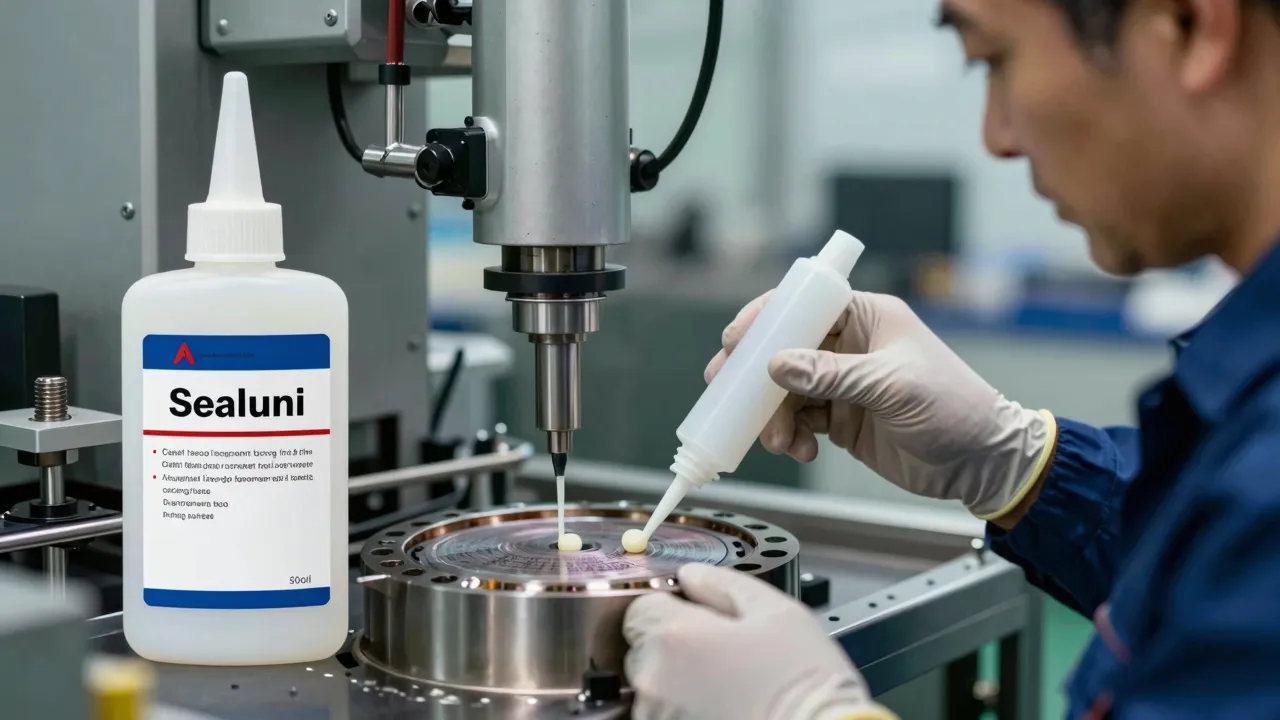
- Mixing and Dispensing: For two-part adhesives, ensure thorough mixing to achieve a homogeneous mixture. Use automated dispensing systems for consistent application.
- Curing: Follow the manufacturer's recommended curing conditions. For thermally cured adhesives, ensure the parts are heated to the specified temperature for the required duration.
- Inspection: Perform visual and non-destructive testing to verify the quality of the bond. Look for voids, cracks, or other defects that could compromise the seal.
Conclusion
Sealing solutions for extreme temperature environments require careful selection and application to ensure reliable performance. Silicone, epoxy, and anaerobic adhesives are among the most suitable options, each with its own set of advantages and limitations. By considering the operating temperature range, material compatibility, curing conditions, and mechanical properties, engineers and procurement decision-makers can choose the right adhesive for their specific application. GUBAILI offers a range of high-performance adhesives tailored to meet the demands of extreme temperature environments, providing robust and durable sealing solutions.
FAQ
What are the key properties to consider when selecting an adhesive for extreme temperature environments?
The key properties to consider include the operating temperature range, material compatibility, curing conditions, mechanical properties, and chemical resistance.
Which types of adhesives are best suited for high-temperature applications?
Silicone, epoxy, and anaerobic adhesives are commonly used in high-temperature applications due to their thermal stability and mechanical properties.
How do I ensure proper adhesion in extreme temperature environments?
Proper surface preparation, thorough mixing and dispensing, and following the recommended curing conditions are essential for achieving optimal adhesion.
What are the main differences between silicone and epoxy adhesives in high-temperature applications?
Silicone adhesives offer excellent flexibility and UV resistance, while epoxy adhesives provide high shear strength and rigidity. Both are suitable for high-temperature environments but are chosen based on the specific requirements of the application.
Can anaerobic adhesives be used for sealing in extreme temperature environments?
Yes, anaerobic adhesives can be used for sealing and threadlocking in extreme temperature environments, with a typical operating range up to 150°C.