
Understanding the Role of Curing in Adhesive Selection
Curing is a critical process in adhesive selection, as it determines the final properties and performance of the bond. Understanding the curing mechanism, such as chemical, thermal, or light-induced, is essential for selecting the appropriate adhesive for specific applications.
Key Takeaways
- Curing mechanisms vary by adhesive type and include chemical, thermal, and light-induced processes.
- The choice of curing method impacts the adhesive's mechanical properties, such as shear strength and temperature resistance.
- Application-specific requirements, such as substrate compatibility and environmental conditions, must be considered during the selection process.
- GUBAILI offers a range of adhesives with different curing methods to meet diverse industrial needs.
Introduction to Curing in Adhesive Selection
Curing is the process by which an adhesive transforms from a liquid or semi-liquid state to a solid, durable bond. The curing mechanism can significantly affect the final properties of the adhesive, such as its strength, flexibility, and resistance to environmental factors. This article will explore the role of curing in the selection of various types of adhesives, including instant adhesives, threadlockers, retaining compounds, two-part AB adhesives, UV-curing adhesives, and structural & sealant adhesives.
What Are the Different Types of Curing Mechanisms?
Adhesives can be categorized based on their curing mechanisms, which include:
- Chemical Curing: This involves a chemical reaction, often initiated by a catalyst or hardener. Epoxy and polyurethane adhesives are common examples. The reaction typically occurs at room temperature but can be accelerated with heat.
- Thermal Curing: Heat is applied to initiate the curing process. This method is used for thermosetting adhesives and can provide high-strength bonds. It is commonly used in automotive and aerospace applications.
- Light-Induced Curing (UV Curing): Ultraviolet light initiates the curing process, making it ideal for rapid bonding in electronic and optical applications. UV-curing adhesives offer quick setting times and excellent clarity.
How Does Curing Affect Adhesive Properties?
The curing process directly influences the mechanical and physical properties of the adhesive, such as:
- Shear Strength: The ability of the adhesive to resist shear forces, which is crucial for structural applications.
- Temperature Resistance: The range of temperatures the adhesive can withstand without degrading, important for high-temperature environments.
- Tensile Strength: The ability to withstand tensile stress, essential for applications requiring strong, durable bonds.
- Elastic Modulus (E) and Glass Transition Temperature (Tg): These parameters determine the adhesive's flexibility and its behavior under varying temperatures.
Application-Specific Considerations in Curing
When selecting an adhesive, it is essential to consider the specific application requirements, including:
- Substrate Compatibility: The adhesive must adhere well to the materials being bonded. For example, cyanoacrylates are excellent for bonding plastics and metals, while epoxies are more suitable for composite materials.
- Environmental Conditions: The adhesive must withstand the environmental conditions it will be exposed to, such as humidity, temperature, and chemical exposure.
- Process Requirements: The curing time and method must align with the production process. For instance, UV-curing adhesives are ideal for rapid assembly lines, while two-part AB adhesives may be better for applications requiring longer working times.
Case Study: GUBAILI Adhesives in Action
GUBAILI offers a wide range of adhesives designed to meet the diverse needs of various industries. For example, our instant adhesives provide rapid curing and strong bonds, making them ideal for electronics assembly. Our threadlockers and retaining compounds ensure secure fastening in mechanical assemblies, while our two-part AB adhesives offer high strength and durability for structural bonding. 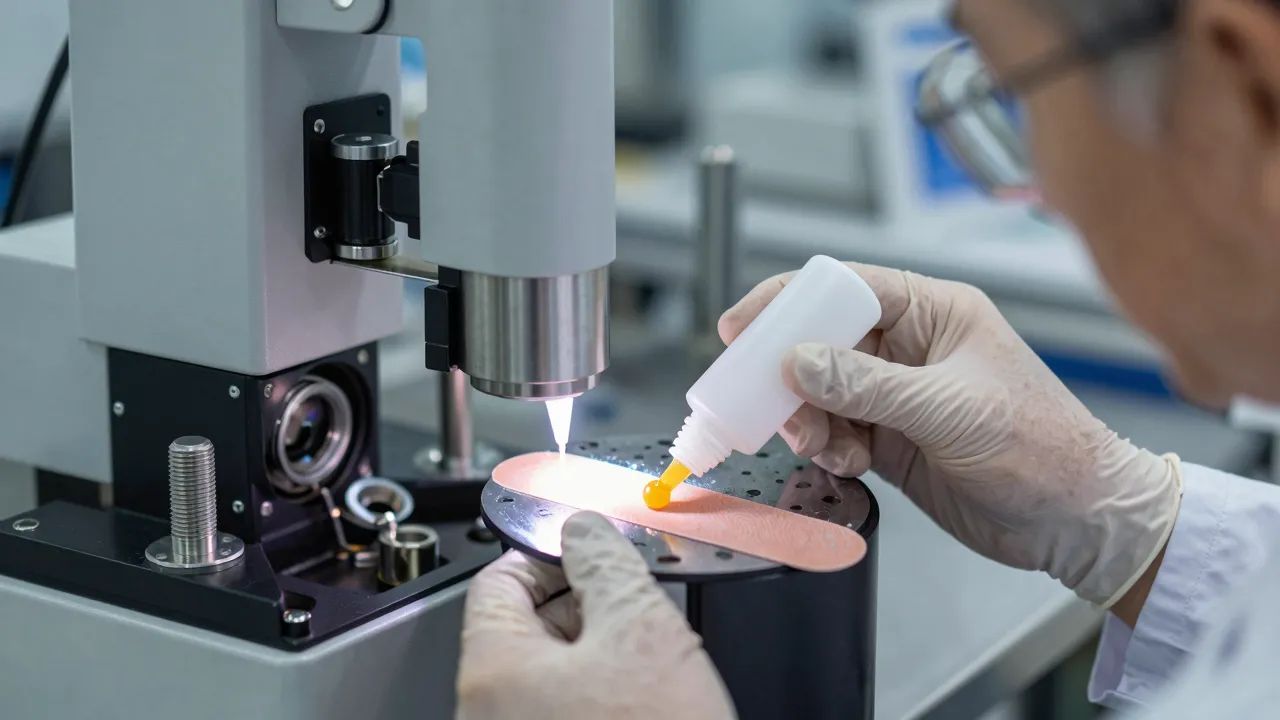
Conclusion
Understanding the role of curing in adhesive selection is crucial for achieving optimal performance in various applications. By considering the curing mechanism, substrate compatibility, and environmental conditions, engineers and procurement decision-makers can select the most suitable adhesive for their specific needs. GUBAILI provides a comprehensive range of adhesives with different curing methods, ensuring reliable and durable solutions for every application.
FAQs
What is the difference between chemical and thermal curing?
Chemical curing involves a reaction initiated by a catalyst or hardener, typically at room temperature, while thermal curing requires heat to initiate the reaction and can provide high-strength bonds.
Which adhesives are best for high-temperature applications?
Epoxy and silicone adhesives are commonly used for high-temperature applications due to their excellent thermal stability and resistance to degradation.
Can UV-curing adhesives be used in outdoor applications?
UV-curing adhesives can be used in outdoor applications, but they may require additional protection from UV exposure to prevent premature degradation. Special formulations designed for outdoor use are available.
How do I choose the right adhesive for my application?
Consider the substrates, environmental conditions, and process requirements. Consult technical data sheets and seek expert advice to ensure the selected adhesive meets your specific needs.
What are the advantages of using GUBAILI adhesives?
GUBAILI adhesives offer a wide range of products with different curing methods, ensuring reliable and durable solutions. They are designed to meet the stringent requirements of various industries, including electronics, automotive, and mechanical assembly.