
Shear Strength in Adhesive Selection
Shear strength is a crucial parameter in adhesive selection, as it determines the material's ability to resist forces parallel to the bond line. Understanding this property helps in choosing the right adhesive for specific applications, ensuring optimal performance and durability.
- Shear strength is essential for evaluating the performance of adhesives in load-bearing applications.
- Different adhesive chemistries, such as epoxy, cyanoacrylate, and structural adhesives, exhibit varying shear strengths suitable for specific substrates and conditions.
- Selection criteria should include operating temperature, substrate compatibility, and environmental exposure, in addition to shear strength.
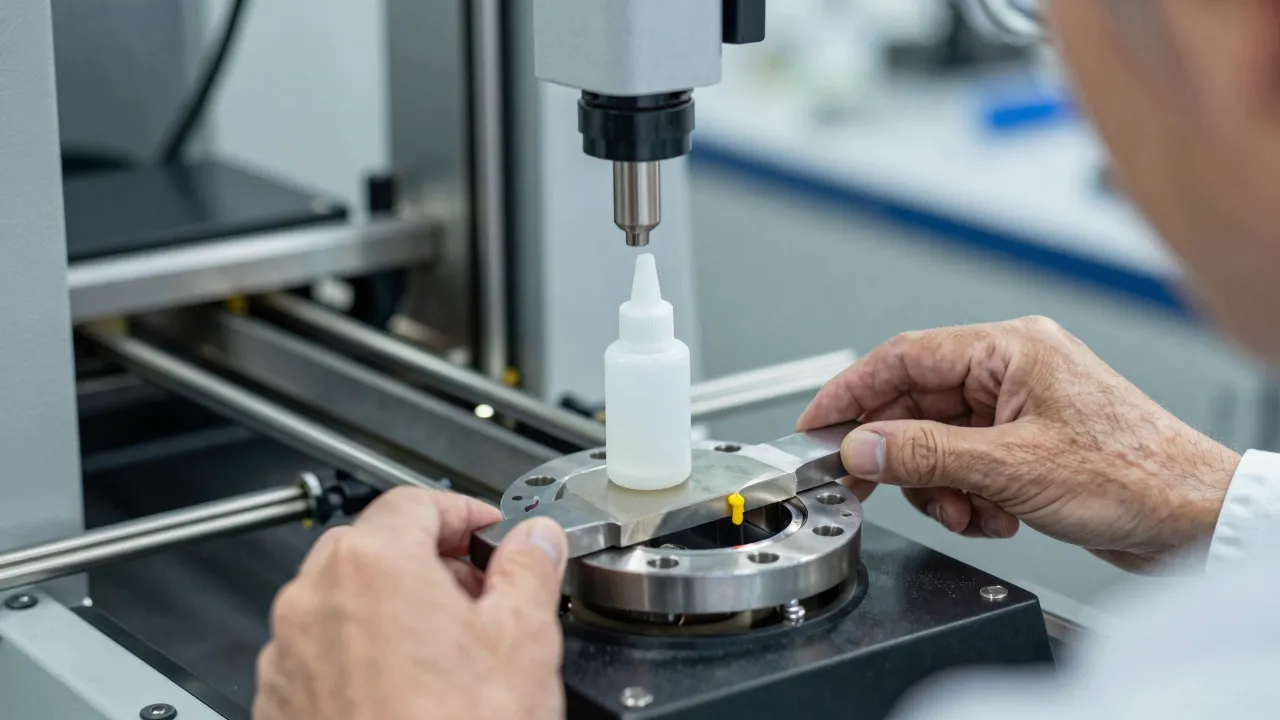
What is Shear Strength and Why Does It Matter?
Shear strength is defined as the maximum stress that an adhesive can withstand when subjected to parallel forces before failure. This property is particularly important in applications where the bonded components are exposed to lateral loads, such as in mechanical assemblies, automotive structures, and electronic packaging.
High shear strength ensures that the adhesive can maintain its integrity under these conditions, preventing premature failure and ensuring the longevity of the bonded joint. For example, in automotive lightweighting, adhesives with high shear strength are necessary to ensure that the structural bonds remain secure even under the dynamic stresses experienced during vehicle operation.
How Do Different Adhesive Chemistries Compare in Terms of Shear Strength?
Various adhesive chemistries offer different levels of shear strength, each suited to specific applications:
- Epoxy Adhesives: Known for their high shear strength, especially at elevated temperatures. They are often used in structural bonding and electronic encapsulation due to their excellent mechanical properties and chemical resistance.
- Cyanoacrylates (Instant Adhesives): These adhesives provide rapid curing and good initial shear strength, making them ideal for quick-fix applications in electronics and small component assembly. However, they may not be as effective in high-temperature environments or under prolonged stress.
- Structural & Sealant Adhesives: These adhesives, which include two-part AB adhesives and UV-curing adhesives, offer a balance of shear strength and flexibility. They are commonly used in applications requiring both strong bonding and sealing, such as in EV battery packs and automotive body panels.
Factors Influencing Shear Strength in Adhesive Selection
When selecting an adhesive based on shear strength, several factors must be considered to ensure optimal performance:
- Operating Temperature: The shear strength of an adhesive can vary significantly with temperature. For example, epoxy adhesives generally maintain high shear strength at elevated temperatures, while cyanoacrylates may degrade more quickly.
- Substrate Compatibility: The type of substrate (e.g., metal, plastic, composite) and its surface preparation can greatly affect the adhesive's shear strength. Proper surface treatment, such as cleaning and roughening, can enhance the bond's strength.
- Environmental Exposure: Adhesives exposed to harsh environments, such as moisture, chemicals, or UV radiation, may experience reduced shear strength over time. Selecting an adhesive with appropriate resistance to these conditions is crucial.
Practical Applications and Case Studies
In the automotive industry, GUBAILI's structural adhesives are used to bond lightweight materials, such as aluminum and composites, in body panels and chassis components. These adhesives provide high shear strength, contributing to the overall safety and durability of the vehicle. Similarly, in electronic packaging, GUBAILI's epoxy adhesives are employed for die-attach and encapsulation, ensuring reliable performance in high-stress and high-temperature environments.
Conclusion
Understanding the role of shear strength in adhesive selection is vital for ensuring the reliability and longevity of bonded joints. By considering factors such as operating temperature, substrate compatibility, and environmental exposure, engineers and procurement decision-makers can choose the most suitable adhesive for their specific application. GUBAILI offers a range of adhesives, including epoxies, cyanoacrylates, and structural adhesives, designed to meet the diverse needs of modern industries.
FAQs
- Q: What is the significance of shear strength in adhesive selection?
A: Shear strength is critical for evaluating an adhesive's ability to resist parallel forces, ensuring the bonded joint remains intact under stress. - Q: Which adhesive chemistry provides the highest shear strength?
A: Epoxy adhesives typically offer the highest shear strength, especially at elevated temperatures, making them ideal for structural bonding and high-temperature applications. - Q: How does substrate compatibility affect shear strength?
A: Proper substrate preparation and compatibility are essential for achieving high shear strength. Incompatible substrates or poor surface preparation can lead to reduced bond strength. - Q: Can environmental factors impact the shear strength of an adhesive?
A: Yes, environmental factors such as moisture, chemicals, and UV radiation can degrade the shear strength of an adhesive over time. Choosing an adhesive with appropriate resistance to these conditions is important. - Q: What are some practical applications where shear strength is a critical factor?
A: Shear strength is crucial in applications such as automotive lightweighting, where structural adhesives are used to bond lightweight materials, and in electronic packaging, where adhesives must withstand high-temperature and high-stress conditions.