
Regulatory Changes Impact Adhesive Formulations
Regulatory changes are significantly influencing the formulation of adhesives, driving the development of new chemistries and processes that meet stricter environmental and safety standards. This article explores the specific impacts on different types of adhesives and their applications in industries such as automotive and electronics.
- Regulatory changes are pushing for more sustainable and environmentally friendly adhesive formulations.
- These changes affect the chemistry, performance, and application processes of instant adhesives, threadlockers, retaining compounds, two-part AB adhesives, UV-curing adhesives, and structural & sealant adhesives.
- Industries such as automotive and electronics must adapt to these new regulations to ensure compliance and maintain product quality.
- GUBAILI offers a range of solutions that comply with the latest regulatory requirements, ensuring reliable and high-performance adhesives.
- The selection of the appropriate adhesive is crucial, and it should be based on the specific application and regulatory requirements.
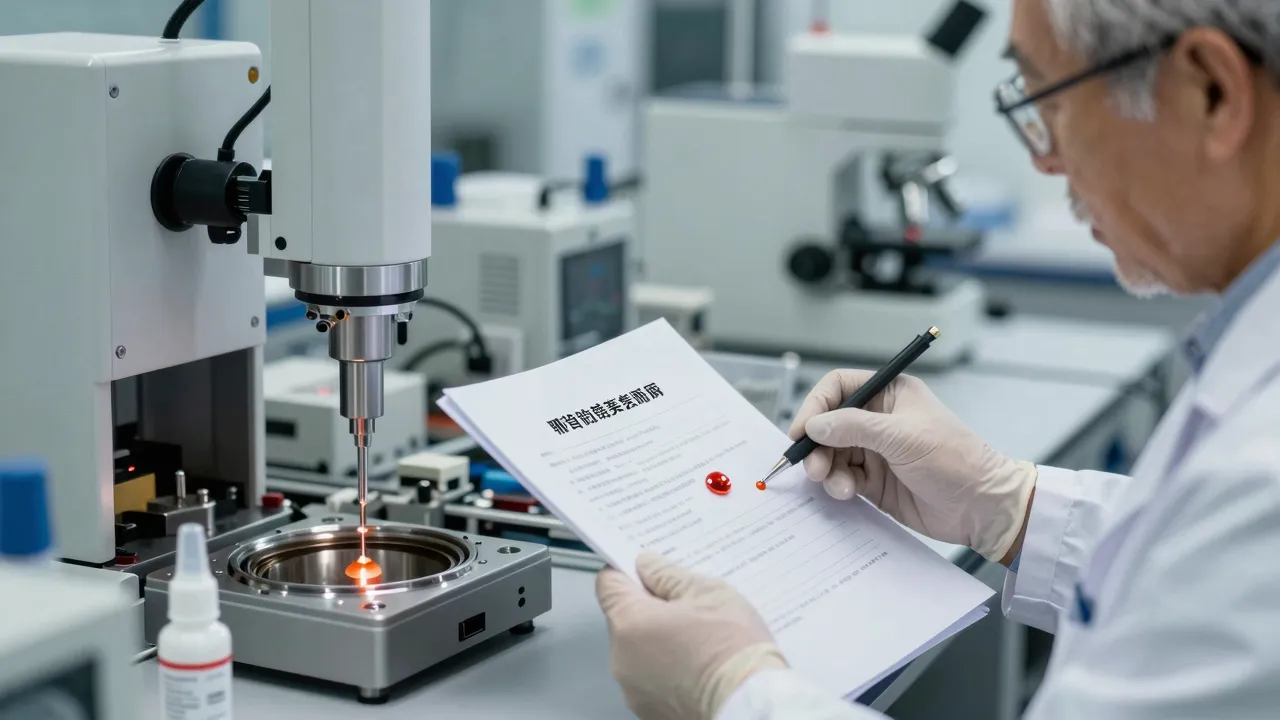
How Do Regulatory Changes Affect Adhesive Formulations?
Regulatory changes, particularly those related to environmental and health safety, are compelling the adhesive industry to reformulate products. These changes often involve restrictions on volatile organic compounds (VOCs), hazardous substances, and the overall sustainability of the materials used. For instance, the European Union's REACH (Registration, Evaluation, Authorisation and Restriction of Chemicals) regulation and the United States' EPA (Environmental Protection Agency) guidelines have set stringent standards that adhesive manufacturers must adhere to.
Impact on Instant Adhesives
Instant adhesives, commonly known as cyanoacrylates, are widely used for their rapid curing and strong bonding capabilities. However, they often contain solvents that may be restricted under new regulations. Manufacturers are developing solvent-free or low-VOC versions to comply with these regulations. These new formulations must maintain the same level of performance, including fast cure times and high shear strength, while reducing environmental impact.
Impact on Threadlockers and Retaining Compounds
Threadlockers and retaining compounds, which are typically anaerobic adhesives, are used in mechanical assemblies to prevent loosening due to vibration and to fill gaps between mating surfaces. New regulations may require the use of non-toxic and biodegradable components. This shift necessitates the development of new chemistries that can provide the same level of mechanical stability and durability without compromising environmental safety.
Impact on Two-Part AB Adhesives and UV-Curing Adhesives
Two-part AB adhesives and UV-curing adhesives are used in a variety of applications, from electronic packaging to automotive assembly. The primary challenge here is to develop formulations that meet the new regulatory requirements while maintaining their high bond strength, thermal stability, and resistance to environmental factors. For example, UV-curing adhesives must be formulated to cure effectively under LED light sources, which are more energy-efficient and safer than traditional mercury lamps.
Impact on Structural & Sealant Adhesives
Structural and sealant adhesives, such as epoxies and silicones, are critical in applications requiring long-term durability and resistance to harsh conditions. Regulatory changes may require the use of bio-based or recycled materials. These new formulations must be tested for their ability to withstand temperature extremes, chemical exposure, and mechanical stress, ensuring they meet the performance criteria of the intended applications.
Application Analysis: Automotive and Electronics Industries
The automotive and electronics industries are heavily impacted by these regulatory changes. In the automotive sector, the trend towards lightweighting and electrification demands adhesives that can bond dissimilar materials, such as aluminum and composites, while meeting stringent emission and safety standards. GUBAILI's structural adhesives, for example, are designed to provide robust bonding solutions for electric vehicle (EV) battery packs, where the integrity of the bond is crucial for safety and performance.
In the electronics industry, the miniaturization of components and the need for high-reliability connections drive the demand for adhesives that can withstand thermal cycling, vibration, and chemical exposure. GUBAILI's UV-curing adhesives offer excellent optical clarity and rapid curing, making them ideal for encapsulation and potting applications in electronic devices.
Selection Methodology for Adhesives
Selecting the right adhesive in the face of regulatory changes requires a thorough understanding of the application requirements and the specific regulatory constraints. Key considerations include:
- Chemical Composition: Ensure the adhesive meets the required VOC limits and does not contain restricted substances.
- Performance Parameters: Evaluate the adhesive's shear strength, Tg (glass transition temperature), viscosity, and other physical properties to ensure they align with the application needs.
- Process Compatibility: Consider the application method, curing time, and any special equipment or conditions required for the adhesive to perform optimally.
- Long-Term Durability: Assess the adhesive's resistance to temperature, humidity, and other environmental factors to ensure long-term reliability.
- Compliance and Certifications: Verify that the adhesive complies with relevant regulations and has the necessary certifications, such as UL (Underwriters Laboratories) or RoHS (Restriction of Hazardous Substances).
Conclusion
Regulatory changes are driving significant advancements in adhesive formulations, leading to more sustainable and environmentally friendly products. Industries such as automotive and electronics must carefully select adhesives that meet both performance and regulatory requirements. GUBAILI provides a range of innovative solutions that help manufacturers navigate these changes, ensuring reliable and high-performance bonding solutions.
FAQ
What are the main regulatory changes affecting adhesive formulations?
The main regulatory changes include restrictions on VOCs, hazardous substances, and the promotion of sustainable materials. Examples include the EU's REACH regulation and the US EPA guidelines.
How do these changes impact the performance of adhesives?
Adhesive manufacturers must develop new formulations that meet regulatory requirements while maintaining or improving performance parameters such as shear strength, cure time, and environmental resistance.
Which industries are most affected by these regulatory changes?
The automotive and electronics industries are particularly affected due to the high performance and safety standards required for their applications.
What are the key considerations when selecting an adhesive?
Key considerations include chemical composition, performance parameters, process compatibility, long-term durability, and compliance with relevant regulations and certifications.
How does GUBAILI support customers in complying with these regulatory changes?
GUBAILI offers a range of adhesives that comply with the latest regulatory requirements, providing reliable and high-performance solutions for various applications. Our technical support team also assists customers in selecting the right adhesive for their specific needs.