Industrial Adhesives & Sealants Manufacturer

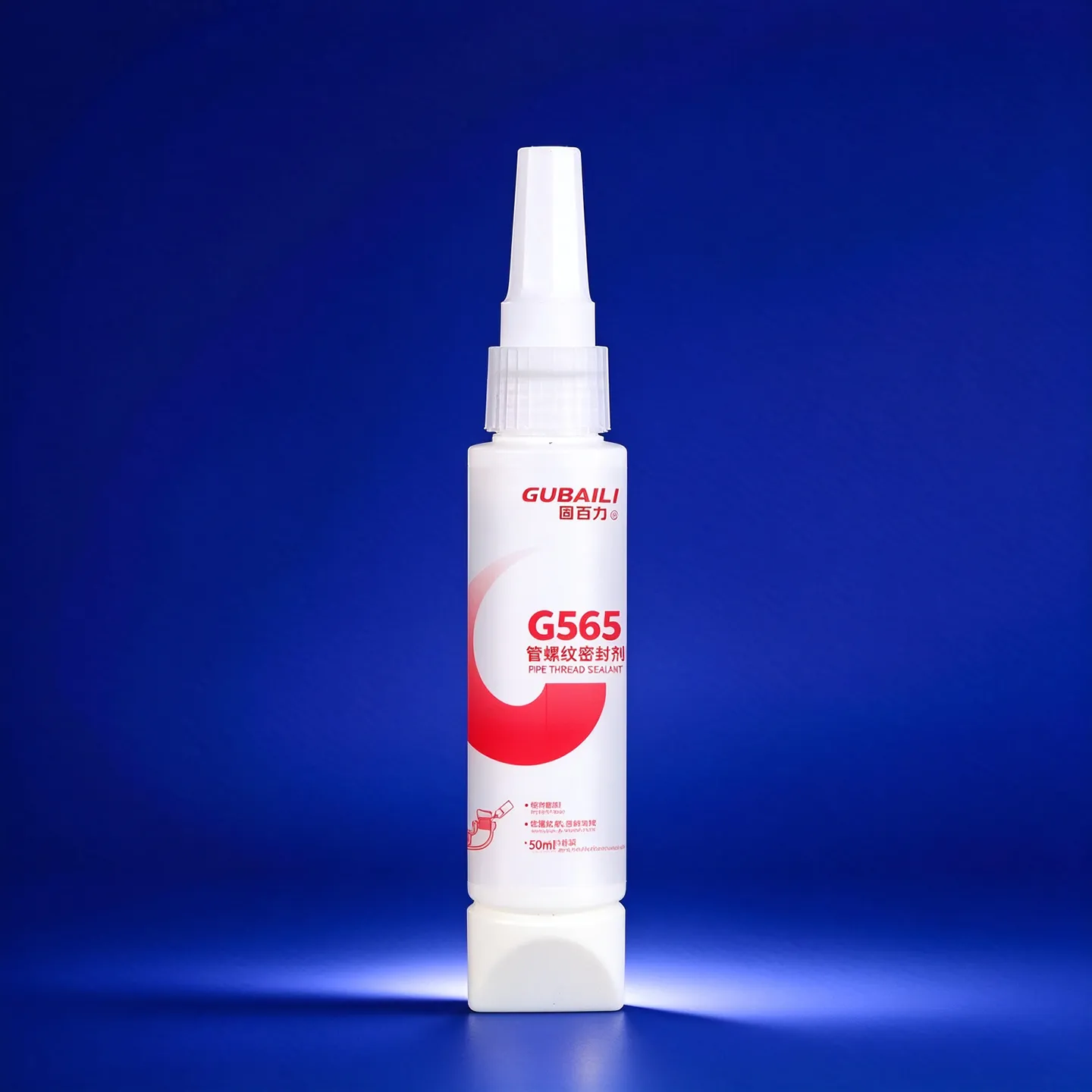
GUBAILI G565 white anaerobic pipe thread sealant: low strength and easy to disassemble, NSF 61 compliant, suitable for potable water, food machinery and gas piping, pressure resistance up to 10,000 psi, service temperature -55 to 150°C. 50 ml/250 ml.
High consistency that resists run-off, ideal for filling large gaps.
Forms a tight seal against gas and liquid leakage.
Universal compatibility with a wide range of substrates.
Permanent locking for non-removable joints.
| Parameter | Specification / Value |
|---|---|
| Product Type | Pipe thread sealant |
| Chemical Base | Acrylic |
| Cure Method | Anaerobic curing |
| Components | One-component |
| Color | White |
| Viscosity | 175000 ~ 525000 mPa·s (typical 350000 cP) |
| Specific Gravity | 1.1 |
| Initial Set Time | 5 minutes |
| Full Cure Time | 24 hours |
| Long-Term Operating Temperature | -55°C ~ 150°C |
| Intermittent Temperature | Up to 190°C |
| Peak Temperature | 204°C |
| Maximum Sealing Pressure | <= 10000 psi |
| Thermal Conductivity | 0.1 W/(m·K) |
| Flash Point | > 200°F |
| Storage Temperature | 8°C ~ 21°C |
| Primers | 7649 / 7471 (accelerate curing) |
| Recommended Substrates | Metal threaded fasteners |
| Packaging | 50 ml / 250 ml |
Product Overview
GUBAILI G565 is a one-component acrylic anaerobic tapered pipe thread sealant. The adhesive is white and high-viscosity, curing anaerobically by crosslinking when metal threads are tightly engaged and isolated from oxygen, forming a thermoset seal. This low-strength grade is easy to disassemble for maintenance and carries NSF 61 certification, making it safe for potable water piping systems as well as gas lines and food machinery with hygiene requirements. It offers excellent pressure resistance up to 10,000 psi, a long-term service temperature of -55°C to 150°C, intermittent peaks up to 190°C and short-term peaks up to 204°C. It is widely used in automotive, aerospace and general industrial piping. Used with primers 7649 or 7471, cure time can be shortened to improve assembly efficiency.
Industries
Food processing equipment, potable water supply piping, gas piping, automotive parts, aerospace components and general industrial equipment—specifically for sealing and locking metal tapered pipe threads.
Instructions
1. Pre-treat the thread surfaces, removing oil, contaminants and old sealant residue, and keep them clean and dry;
2. Apply adhesive evenly over the tapered thread engagement area and assemble/tighten quickly; to accelerate curing, pre-apply primer 7649 or 7471;
3. Initial set takes about 5 minutes at 25°C; full cure strength is reached after 24 hours;
4. Disassemble with standard tools; if difficult, heat to 250°C before separating;
5. Wipe uncured squeeze-out with anhydrous ethanol.
Precautions
1. Anaerobic cure mechanism—will not cure in oxygen-rich open environments; only suitable for tightly engaged metal tapered threads;
2. Do not use on thermoplastic substrates, which may swell and crack;
3. Store at 8-21°C in a cool, dark place;
4. Work in a ventilated area and wear protective gloves and goggles to avoid contact with skin and eyes;
5. This product meets NSF 61 for potable water, but must be used strictly according to application standards;
6. Industrial adhesive—keep away from children and do not ingest.
Degrease, derust and remove old sealant and burrs from the flange face, and keep it dry. Apply a continuous closed bead, keeping clear of the inside of bolt holes and leaving bolt passages open.
After assembly, tighten in stages in a diagonal sequence to the specified torque, avoiding squeezing the sealant out on one side and creating an interruption in the seal.
Anaerobic types suit medium-to-high temperature sealing of rigid structures, while silicone types cover a wider temperature range and remain flexible. For oil contact, select an oil-resistant grade based on the media. Refer to the data sheet for specific temperatures.
To disassemble, separate the flange first, then remove residual sealant with a scraper or dedicated cleaner without scratching the sealing face; leftover sealant will impair the next seal.
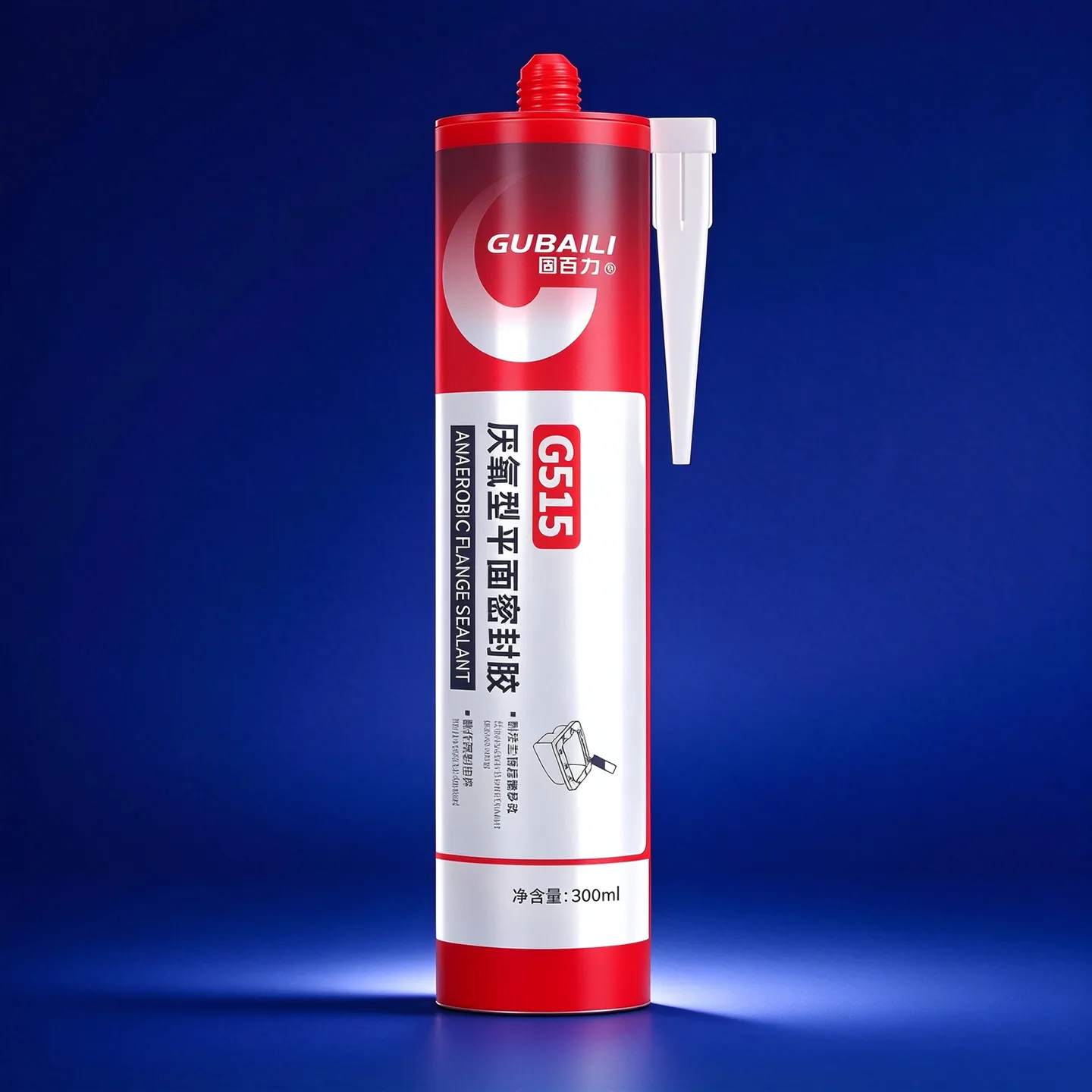
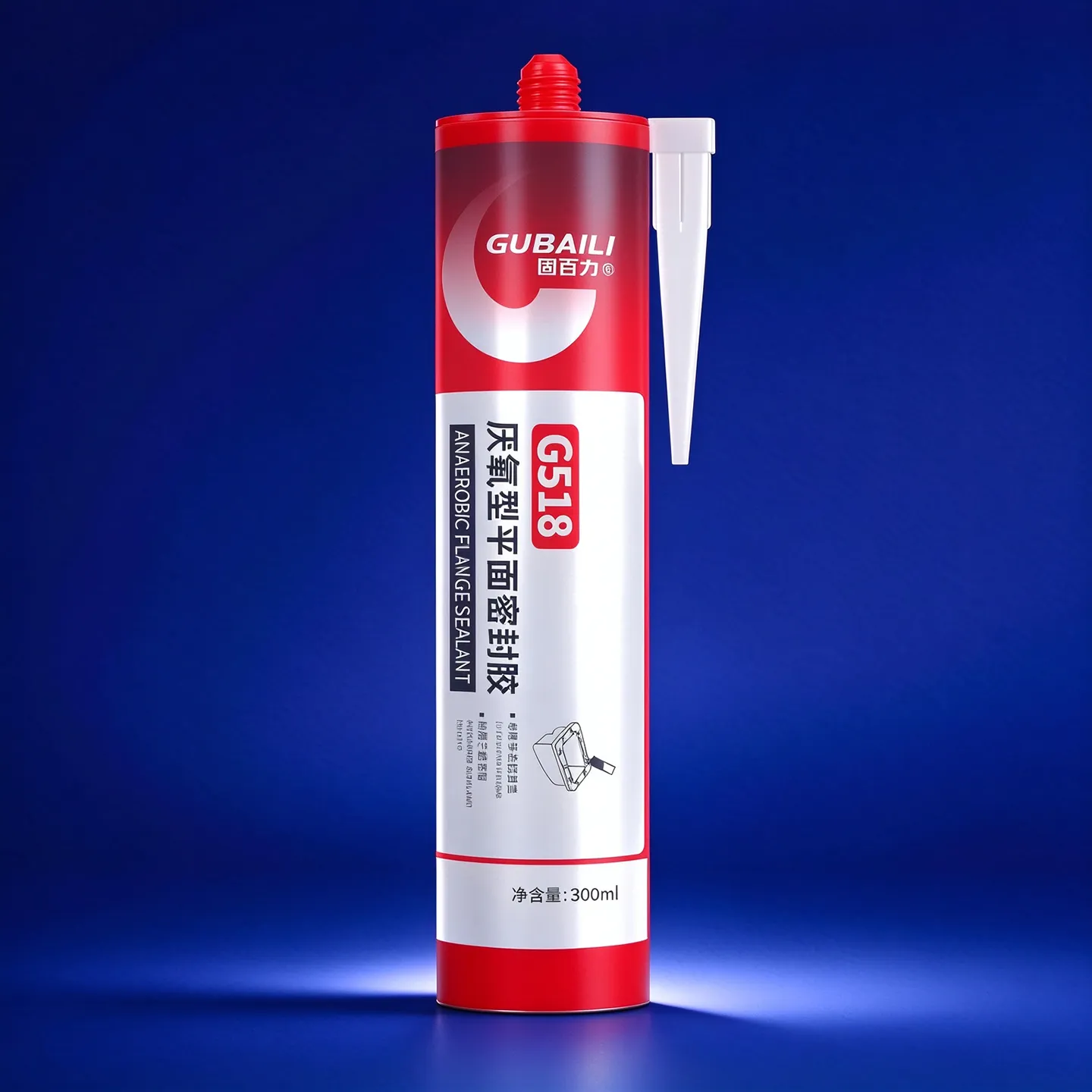
For rigid flanges requiring immediate pressure resistance and high temperature performance, prefer anaerobic types such as G510 and G515; for stamped sheet metal, uneven gaps or slightly distorted flanges, choose semi-flexible G518.
For high temperature or a wider temperature range, choose silicone types G596 and G598; for oil contact, prefer G5699; to replace conventional gaskets, choose G587.
For thread sealing of hydraulic and pneumatic lines; the one-component format is easy to use.
Tighten to specification after application, avoiding over-tightening that squeezes out the sealant; do not pressurize before curing.
We customise formulations by substrate, viscosity, cure speed and media resistance, and provide sample testing and technical selection support.
Tell us about your application and our engineers will provide product recommendations, sample dispatch and technical support within 48 hours.